Stroke +
Familial Hypercholesterolemia (FH)
Understanding the hidden risk of ischemic stroke in patients with inherited high cholesterol
Stroke and Familial Hypercholesterolemia (FH): Understanding the Hidden Risk
When people hear about Familial Hypercholesterolemia (FH), they often think about heart attacks.
But stroke — particularly ischemic stroke — is another serious and potentially life-altering complication linked to lifelong elevated LDL cholesterol.
While coronary artery disease is the most common outcome of FH, the same atherosclerotic process that narrows heart arteries can also affect arteries supplying the brain. Raising awareness about stroke risk in FH is essential for early prevention and family screening.
What Is a Stroke?
A stroke occurs when blood flow to part of the brain is interrupted.
Ischemic Stroke
Most common: Caused by blockage in a brain artery
Hemorrhagic Stroke
Caused by bleeding in the brain
In FH, the primary concern is ischemic stroke driven by atherosclerosis.
How FH Increases Stroke Risk
FH causes LDL cholesterol levels to be elevated from birth.
Over time, this leads to:
- Accelerated plaque formation
- Vascular inflammation
- Arterial narrowing
- Plaque instability
Although the coronary arteries are most commonly affected, arteries in the neck and brain can also develop atherosclerosis.
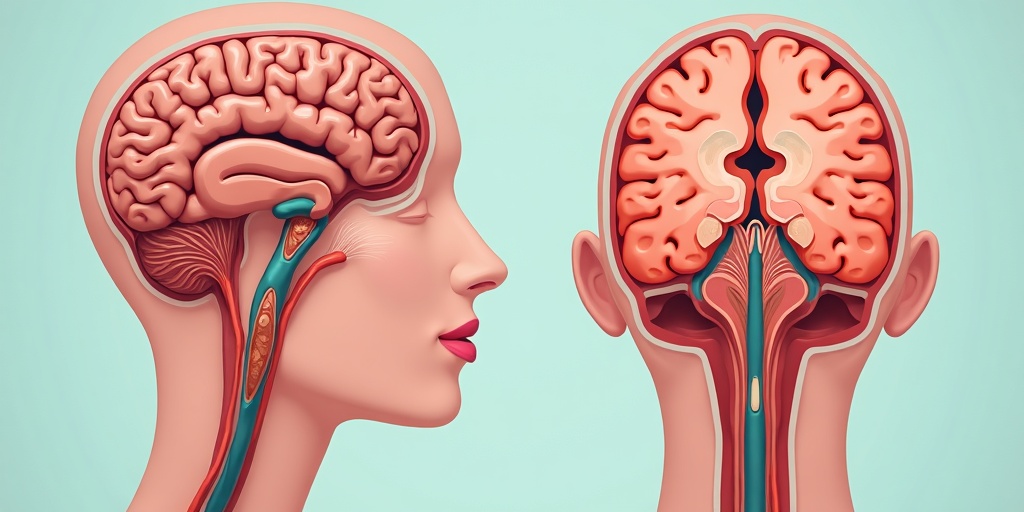
How Stroke Risk Develops in FH
Ten critical mechanisms linking Familial Hypercholesterolemia to cerebrovascular disease
Carotid Artery Atherosclerosis
The carotid arteries, located in the neck, supply blood to the brain. In individuals with FH: LDL particles accumulate in carotid artery walls, plaque forms earlier than in the general population, and carotid intima-media thickness increases. Carotid plaque is a strong predictor of ischemic stroke. Ultrasound studies show that even young adults with untreated FH may demonstrate early carotid artery thickening.
Plaque Rupture and Clot Formation
Atherosclerotic plaques are not always stable. In FH: High LDL promotes inflammatory activity inside plaques, plaque caps may weaken, and rupture can trigger clot formation. If a clot forms in the carotid artery or travels to cerebral arteries, it can block blood flow to the brain — causing an ischemic stroke.
Lipoprotein(a) and Stroke Risk
Many individuals with FH also have elevated Lipoprotein(a), or Lp(a). Lp(a): promotes clot formation, interferes with clot breakdown, and increases vascular inflammation. Elevated Lp(a) is independently associated with higher stroke risk, especially in younger patients. When FH and high Lp(a) coexist, cerebrovascular risk increases further.
Hypertension as a Compounding Factor
Hypertension is one of the strongest risk factors for stroke. When combined with FH: Endothelial injury worsens, arterial stiffness increases, and plaque rupture risk rises. This dual burden significantly elevates stroke probability.
Diabetes and Insulin Resistance
If FH coexists with diabetes or insulin resistance: Vascular inflammation increases, endothelial dysfunction worsens, and plaque progression accelerates. This metabolic combination can heighten both coronary and cerebrovascular risk.
Premature Stroke
Although stroke is more common later in life, FH can increase the risk of premature ischemic stroke, particularly in: Individuals with very high LDL, those with elevated Lp(a), and patients with poorly controlled additional risk factors. While stroke risk in FH is generally lower than heart attack risk, it remains clinically significant.
Silent Cerebrovascular Disease
Not all strokes cause dramatic symptoms. In some cases: Small vessel blockages may occur silently, mild cognitive changes may develop, and brain imaging may reveal subclinical infarcts. Early vascular screening can identify risk before major events occur.
Gender Considerations
Women with FH may be underdiagnosed and undertreated. After menopause: LDL levels often rise further, estrogen protection declines, and stroke risk increases. Awareness during midlife is especially important for women with elevated cholesterol and family history.
Screening and Prevention
Individuals with FH should consider: Lipid panel monitoring, Lipoprotein(a) measurement, blood pressure management, carotid ultrasound (in selected cases), and coronary calcium scoring. Early and aggressive LDL reduction significantly lowers risk of both heart attack and stroke.
Treatment Strategies
Effective management includes aggressive LDL lowering (high-intensity statins, ezetimibe, PCSK9 inhibitors, inclisiran, LDL apheresis in severe cases) and risk factor control (strict blood pressure control, diabetes management, smoking cessation, weight optimization, physical activity). Reducing cumulative LDL exposure — known as "cholesterol-year burden" — is key.
The Importance of Family Screening
FH is inherited in an autosomal dominant pattern.
If one parent has FH:
- Each child has a 50% chance of inheriting it
- Early identification allows preventive treatment long before stroke or heart attack occurs
Cascade family screening can save multiple lives across generations.
Raising Awareness
A preventable crisis hiding in plain sight
People worldwide affected by FH
Remain undiagnosed
Undiagnosed worldwide
If you or a family member has:
- LDL above 190 mg/dL
- Family history of early heart disease
- Premature stroke
- Recurrent vascular events
Consider evaluation for Familial Hypercholesterolemia.
Final Takeaway
Stroke is a devastating and often life-changing event.
While heart attacks are more commonly associated with FH, the same LDL-driven vascular injury can affect arteries supplying the brain.
The encouraging news is that:
- Early detection and aggressive LDL control can dramatically reduce long-term risk
- Awareness of Familial Hypercholesterolemia does not just protect the heart — it protects the brain
And in the case of FH, prevention begins with knowing.
Awareness
Know the signs
Testing
Get screened
Early Treatment
Prevent complications
Early Detection Saves Lives
If you have a family history of early heart disease, stroke, or high cholesterol, don't wait for symptoms. Early screening and aggressive LDL control can prevent these devastating outcomes.